



By Mark Constance
NORTHERN MICHIGAN – Ticks are an increasing concern across Michigan, especially during the warmer months when outdoor activity peaks. While humor and memes about these persistent pests—like those comparing them to unwanted politicians—can lighten the mood, the health risks they pose are very real.
Understanding the types of ticks found in Michigan and how to protect yourself is essential for anyone spending time in the woods, fields, or even their backyard.
Several tick species are common in Michigan”

The American Dog Tick is the most common tick in Michigan. Brown with distinctive white markings, is one of the most prevalent. Active from May to November, it’s found in grassy and wooded areas and can transmit Rocky Mountain Spotted Fever and tularemia, though infections are rare in the state.
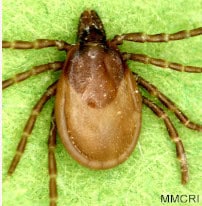
The Blacklegged Tick, also known as the deer tick, has a black and reddish body and black legs. This tick is especially dangerous because it spreads Lyme disease and other illnesses such as babesiosis, anaplasmosis, and deer tick virus. Its tiny nymphs, often no bigger than a poppy seed, can be easily overlooked.

Another notable species is the Lone Star Tick, identified by the white dot on the back of adult females. Known for being aggressive, it bites both humans and animals and has been linked to ehrlichiosis, tularemia, and Alpha-gal syndrome—a condition that can cause a red meat allergy.
The Woodchuck Tick is less common but still present, typically found around the dens of skunks and woodchucks. It may bite pets and humans and can potentially transmit Powassan virus.

Avoiding Ticks
Wear light-colored clothing with long sleeves and pants tucked into socks. Use EPA-registered repellents containing DEET, picaridin, or permethrin on exposed skin and clothing. Stay on well-worn paths and avoid walking through tall grasses or dense brush.
After outdoor activities, perform thorough tick checks, paying attention to hidden spots like the scalp, behind the knees, and around the waist. Showering within two hours can also help remove any unattached ticks. Keeping your yard mowed and clearing leaf litter or brush reduces the likelihood of ticks near your home.
If you find a tick attached, use fine-tipped tweezers to grasp it as close to the skin as possible and pull upward steadily. Clean the bite with soap and water, apply antiseptic, and watch for symptoms such as rash, fever, or fatigue. If any appear, seek medical advice promptly.
Ticks are nothing to mess with. Be careful to protect yourself and enjoy the outdoors.